
Guide overview: Many OEM buyers start with the same question: should we use an existing mold or invest in a custom mold? The answer affects development cost, lead time, MOQ, product differentiation, unit price, and long-term control. Choosing too quickly can create problems. A cheap existing mold may not fit the market. A custom mold may be unnecessary if a standard model already solves the job.
This guide explains how to compare existing molds, ready models, modified products, and new tooling from a practical sourcing point of view. It is especially useful for plastic products, rotomolded boxes, insulated containers, extruded profiles, injection molded parts, and other factory-made OEM products.
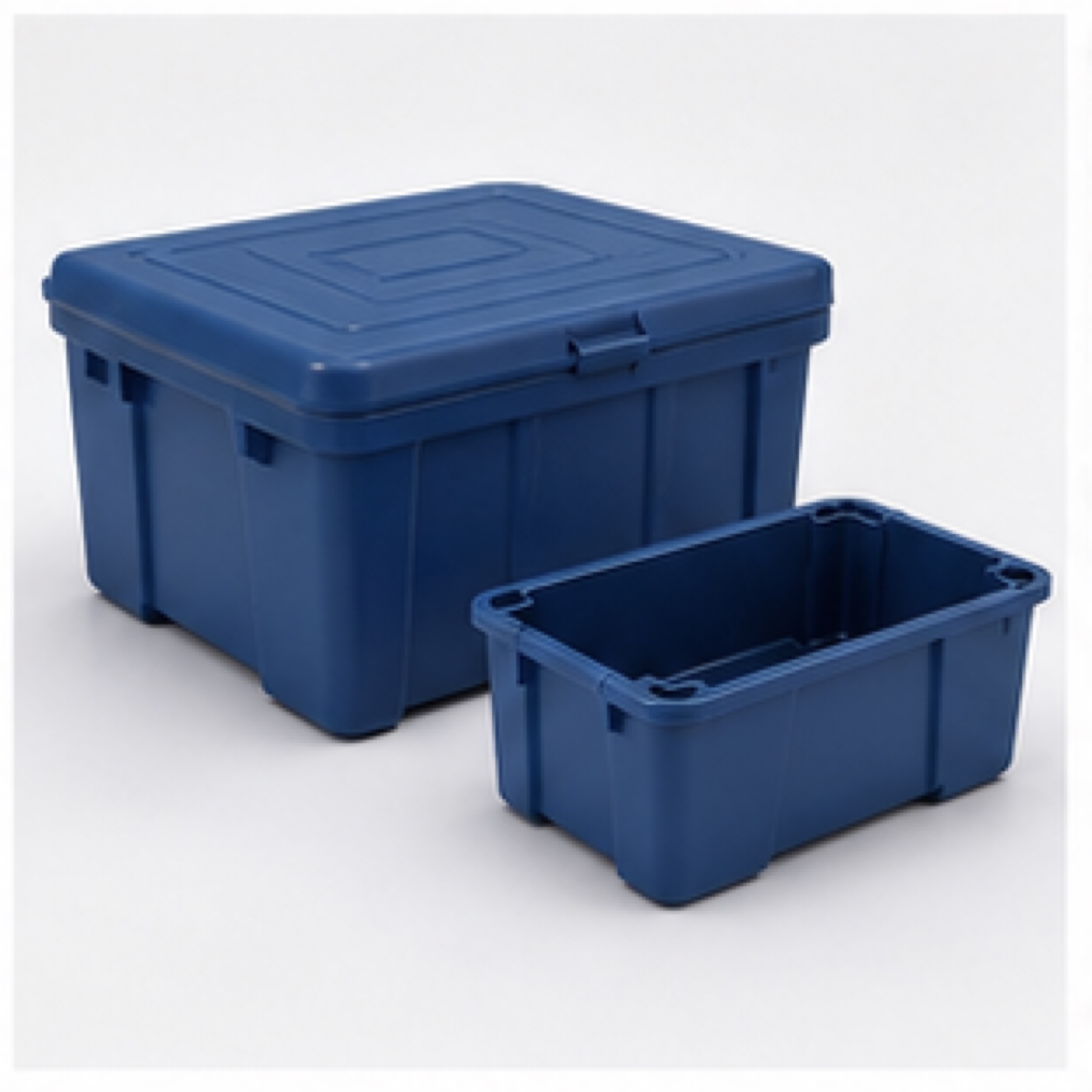
What Existing Mold Means
An existing mold means the factory already has tooling for a product or part shape. The buyer can use the standard model, sometimes with changes such as color, logo, packing, accessories, or minor processing. Existing mold does not always mean the product is off-the-shelf inventory. It usually means the tooling exists, so sampling and production can start faster than a new custom mold.
This route is useful when the buyer wants to test a market, reduce upfront investment, or source a proven product shape. For example, an insulated food carrier distributor may choose an existing size first. A seafood supplier may start with a standard fish bin. A refrigeration service company may choose an existing gasket profile if it fits the cabinet. A buyer of plastic accessories may use a standard mold when the shape does not need to be unique.
Advantages of Existing Molds
The biggest advantage is speed. Because the tool already exists, the supplier can usually quote faster, make samples faster, and move to production with less technical uncertainty. Tooling cost is lower or already absorbed. The factory may already know material usage, cycle time, defect risks, packing method, and container loading.
Existing molds are also useful when the buyer does not yet know the exact market demand. Instead of spending heavily on a new mold, the buyer can start with a standard model and learn from customer feedback. This is often a smart path for distributors, importers, restaurant supply channels, replacement programs, and early product tests.
Another benefit is production stability. If the mold has been used before, the factory may already understand the process window. That can reduce risk compared with a completely new tool, especially when the buyer needs a reliable first shipment.
Limits of Existing Molds
The main limit is fit. A standard product may not match the buyer's exact application, brand positioning, dimensions, or installation requirement. A box may be close to the right volume but inefficient for container loading. A gasket profile may look similar but not fit the door channel. A plastic housing may not match the customer's assembly parts.
There is also limited differentiation. If many buyers can use the same mold, the product may not be unique in the market. Color, logo, and packing can help, but they do not change the core shape. For buyers building a brand or protecting a product line, existing molds may be only a starting point.
Modification can also be limited. Some changes are easy, such as color or label. Some are difficult or impossible without changing the mold steel. A supplier should be clear about what can be changed through production settings, what needs secondary processing, and what requires a new mold.
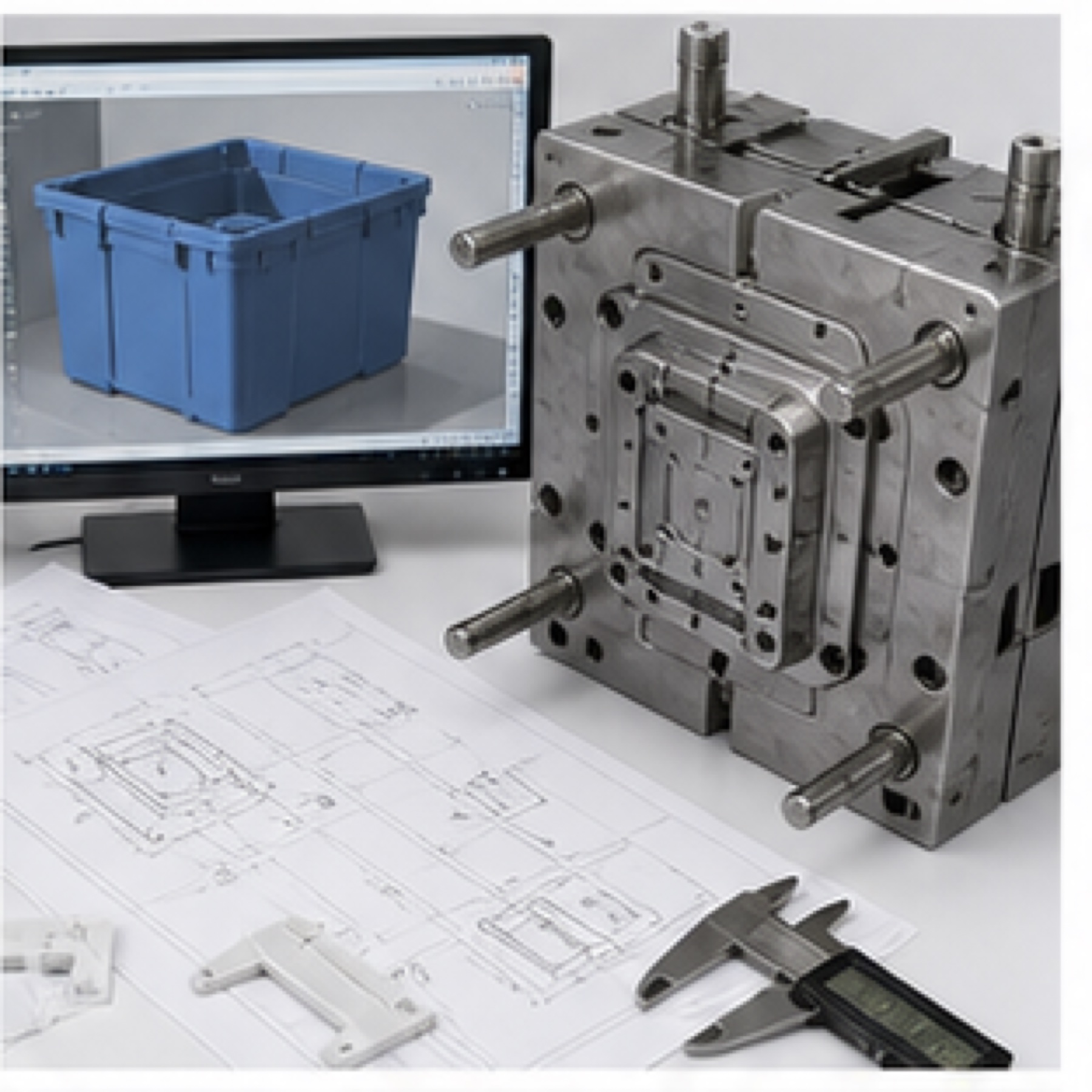
What Custom Mold Means
A custom mold is made for the buyer's product design or required size. It may be an injection mold, extrusion die, rotational mold, stamping die, or another production tool. Custom tooling gives more control over product shape, fit, brand design, and application-specific details. It can be the right choice when the product must match a drawing, fit an assembly, meet a special size, or create a unique market offer.
Custom molds require more work before production. The factory must review drawings, material, tolerance, parting line, gate or die design, wall thickness, expected volume, machine matching, sample testing, and possible mold correction. This adds cost and time, but it can create a better long-term product.
When Custom Tooling Makes Sense
Custom tooling makes sense when the product has a clear commercial reason. The buyer may need a special size that existing molds cannot provide. The product may need to fit another component. The brand may need a unique appearance. The application may need special strength, sealing, stacking, mounting, or insulation performance. The expected volume may be high enough that a dedicated tool reduces unit cost or improves quality control.
For injection molded parts, custom molds are common because the part often needs to fit a specific assembly. For extrusion, a custom die may be needed when the profile shape is unique. For rotomolded products, custom tooling may be needed for special box size, lid structure, drain position, logo area, or stacking footprint.
Buyers should not judge custom mold cost alone. A more expensive mold may be worthwhile if it reduces assembly problems, improves market fit, lowers unit cost at volume, or protects the product design. The right question is not "Which mold is cheaper?" The right question is "Which route gives the best total result for this project?"
Cost, MOQ, and Timeline Tradeoffs
Existing mold projects usually have lower development cost and faster sampling. MOQ may still apply because material, color, production setup, packing, and labor have minimum requirements. Custom mold projects have tooling cost and longer lead time, but they may support better product fit and long-term control.
Timeline should include more than mold making. For custom projects, allow time for DFM review, mold design, tooling, trial samples, testing, corrections, approval, mass production, packing, and shipping. Rushing this process can create expensive mistakes. For existing mold projects, timeline is shorter, but buyers should still test samples before placing a large order.
Unit cost comparison should also be realistic. An existing mold product may have a known unit price. A custom mold product may be optimized for the buyer's target quantity. If the expected order volume is high, custom tooling can sometimes become more economical over time.
A Practical Decision Framework
Use an existing mold when speed, lower development cost, and market testing are more important than unique design. Use a custom mold when fit, function, brand difference, assembly, or long-term volume justify the investment. Use a modified existing product when the standard model is close and only small changes are needed.
Before deciding, compare the project across these points:
- Does an existing model meet the real application, not just the approximate size?
- Is the expected quantity enough to justify custom tooling?
- Will the product need unique shape, assembly fit, or brand protection?
- Can small changes solve the requirement without new tooling?
- How much risk is acceptable in the first order timeline?
- What is the total cost including mold, unit price, packing, freight, and future repeat orders?
What Jizon Should Review First
For a useful recommendation, send your target product photos, drawings if available, desired size, application, quantity, material preference, market target, packing needs, and any reference products. If you are open to existing molds, explain which dimensions or features are flexible and which are fixed. If you need a custom product, share the reason the standard models do not work.
Next step: Jizon can compare existing mold options, modified product routes, and custom tooling plans for your project. Send your product target, quantity, application, and reference photos so the factory can recommend the most practical route before you invest in tooling.